


Understanding Chemical Safety: Essential Tips for Handling and Storage
1. Types of Common Industrial Chemicals
a. Organic Chemicals
Organic compounds such as ethanol, methanol, and acetone are widely used as solvents in laboratories, manufacturing, and even in personal care products. These chemicals often serve as the base for more complex synthetic materials.
b. Inorganic Chemicals
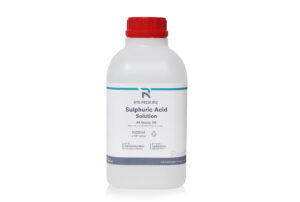
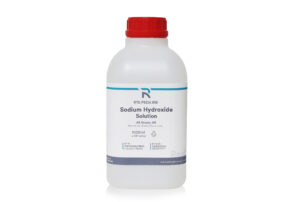
Inorganic substances like sulfuric acid, sodium hydroxide, and hydrochloric acid are staples in chemical manufacturing. They’re essential for processes such as pH regulation, metal treatment, and fertilizer production.
c. Specialty Chemicals
Specialty chemicals include adhesives, sealants, lubricants, and water treatment agents. These are often tailored to specific industrial requirements and are used in lower volumes but offer high value.
2. Applications Across Industries
Pharmaceuticals
Pharmaceutical companies rely heavily on high-purity chemicals like isopropyl alcohol (IPA) and chloroform for synthesis and sterilization. Precision and quality control are critical in this space.
Agriculture
Fertilizers like ammonium nitrate and urea, along with pesticides such as glyphosate, play an essential role in modern farming by boosting crop yields and protecting against pests.
Water Treatment
Chemicals like aluminum sulfate and chlorine dioxide are critical for purifying water in municipal and industrial systems, ensuring safety and compliance with public health standards.
Textiles
Bleaching agents such as hydrogen peroxide and fabric softeners derived from quaternary ammonium compounds are frequently used in textile processing.
3. Safety and Compliance
All chemical products must adhere to stringent safety guidelines and labeling protocols. For instance:
- GHS-compliant labels with hazard pictograms
- SDS (Safety Data Sheets) for each product
- Proper storage in ventilated, temperature-controlled environments
Products should also meet certifications such as:
- REACH (Registration, Evaluation, Authorisation and Restriction of Chemicals)
- RoHS (Restriction of Hazardous Substances)
- FDA approval, when applicable


